







Search Results for: Blueberry Estate
Costa Rica Las Piedras Estate Blueberry Coffee Beans: Full Analysis of Anaerobic Heavy Honey Processing Flavor and Variety
Costa Rica, with its diverse microclimates and volcanic soils, became one of the first countries in Central America to cultivate coffee. Piedra Grande Estate, located in the Brunca region in the south, takes its name from the indigenous "secret stone spheres" unearthed nearby. At an altitude of 1,400-1,700 meters, the mixed red and gray clay soil gives the coffee high density and excellent sweetness. The estate grows two varieties, Bourbon and Catuai, and employs anaerobic heavy honey processing: first low-temperature anaerobic fermentation, then 20-25 days of raised-bed drying and greenhouse resting, and finally aging the beans to 11% moisture content. Front Street Coffee's Piedra Grande Blueberry coffee presents a flavor profile of rose, blueberry gummy candy, fermented notes, and mint, making it well worth savoring for coffee enthusiasts. [more…]
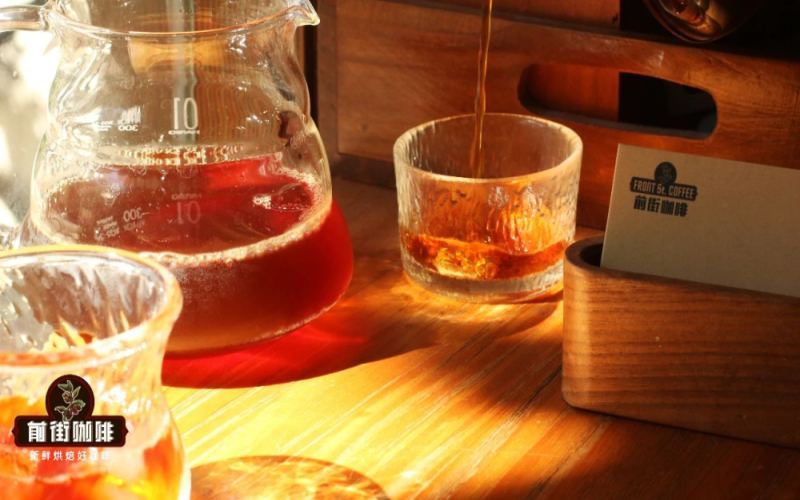
An Analysis of Costa Rica's Eight Major Producing Regions: Monte Crisol Estate Blueberry Anaerobic Heavy Honey Process and Tarrazú Everyday Drinking Beans Flavor
Although Costa Rica has a limited land area, it boasts eight distinct coffee-producing regions, from the Central Valley to Brunca, each nurturing coffees with strikingly different flavor profiles. Front Street Coffee's Costa Rica series has always been known for being "sweet as honey"—whether it's the Musician Series or the recently added Blueberry from巨石 Estate, it can rise to the occasion whenever a sweet pour-over is needed. This article will start with the Blueberry bean, explaining in detail the anaerobic heavy honey processing method of巨石 Estate and the growing conditions of the Brunca region, and then extend to introduce the variety composition and brewing suggestions of Front Street's everyday bean Tarrazú, helping coffee lovers systematically understand the diverse charm of Costa Rican coffee. [more…]
Costa Rica Finca El Gigante Blueberry Coffee: Bruncas Region Terroir, Anaerobic Heavy Honey Processing, and a Cupping Comparison of Three Roast Profiles
Front Street Coffee recently acquired a batch of blueberry coffee beans from Costa Rica's Las Rocas Estate; the green beans exude an intense sweet blueberry aroma and rose floral notes. To fully reveal the flavor potential of these beans, the roaster team designed three different roasting profiles and cupped them one by one, striving to find the most balanced roasting plan that best expresses the terroir. This article will guide you through the terroir background of the Brunca region, the varietal composition and anaerobic heavy honey processing of Las Rocas Estate, and present in detail the roasting parameters of the three profiles and the differences in cup flavors, helping coffee enthusiasts gain a deeper understanding of the charm of these beans. [more…]
Exploring Costa Rica's Tarrazú and Hacienda La Roca Blueberry: A Complete Guide to the Flavors and Brewing of Geisha, Caturra, and Catuai Varieties
Costa Rica is a coffee origin that cannot be overlooked on the Central American coffee map, and Front Street Coffee's Costa Rica series has always been known for being "sweet as honey." This article starts with the Blueberry Coffee from the Giant Stone Estate, taking you through the terroir characteristics of the Brunca region, the meticulous process of anaerobic heavy honey processing, and an in-depth analysis of the main varieties of the Tarrazú region—the differences between Caturra and Catuai, as well as the performance of Geisha in Costa Rica. Whether you are looking for a daily drinker with a prominent sweetness or want to understand the flavor differences between varieties, this article will give you clear answers. Finally, Front Street's standard brewing parameters are included, so you can recreate a great cup of coffee at home. [more…]
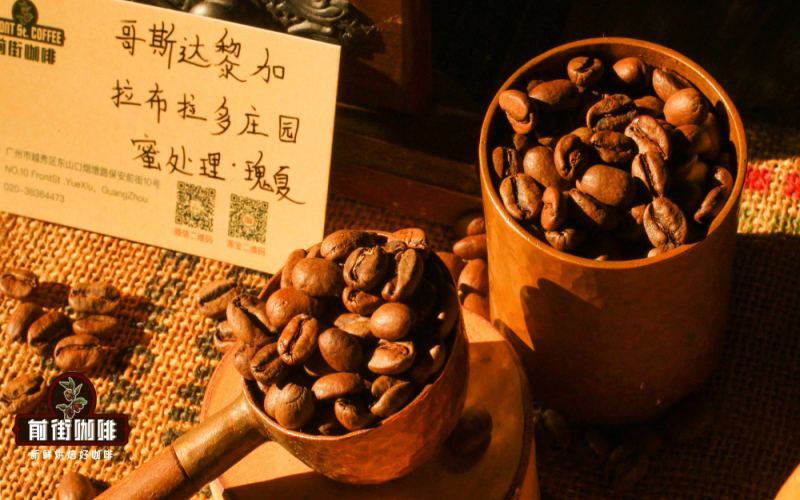
Costa Rican Coffee Bean Flavor Analysis: Honey-Processed Strictly Hard Bean Pour-Over Techniques and巨石 Estate Blueberry
Costa Rican coffee is famous for its honey processing and extremely hard beans, and Front Street Coffee brings you a selection of representative beans. This article approaches the topic through the three major processing methods—washed, natural, and honey—analyzing the basic structure and flavor formation of Costa Rican coffee, with a focus on Tarrazu washed beans and the Blueberry Anaerobic Heavy Honey processed beans from Hacienda El Monstruo. It also explains in detail Costa Rica's raw bean grading standards by altitude, as well as hand-brewing parameter recommendations for high-altitude SHB extremely hard beans, including the V60 dripper, water temperature, coffee-to-water ratio, and three-stage extraction technique, helping coffee lovers brew a rich fruity layering. [more…]
Costa Rica Coffee Brewing Guide: Honey Process Flavor Analysis and Finca El Roca Blueberry Bean Review
Costa Rican coffee occupies an important position in the Central American specialty coffee landscape thanks to its high-altitude volcanic soil and innovative processing methods. Starting from Front Street Coffee's everyday bean—the washed Tarrazú—this article sorts out Costa Rica's eight major producing regions and green bean grading standards, and focuses on analyzing how honey processing gives coffee greater sweetness. It also presents the complete profile of the recently launched Blueberry coffee beans from Hacienda El Roble, along with a three-pour hand-brewing recipe tailored to high-altitude SHB strictly hard beans, including specific parameters such as V60 dripper, water temperature, coffee-to-water ratio, and grind size, helping coffee enthusiasts recreate a rich fruity layering at home. [more…]
Exploring Costa Rica's Brunca Region: A Flavor Analysis of Finca Las Piedras Anaerobic Heavy Honey Process
The blueberry-flavored coffee from Costa Rica's Las Lajas Estate was once one of my favorite beans, but unfortunately it is currently out of stock. That blueberry gummy-like sweetness and the minty coolness emerging from the fermented wine finish made it a must-have coffee for summer in my mind. Where exactly is Las Lajas Estate located in Costa Rica? Why can it present such clear flavors? Today, Front Street Coffee will take everyone deep into the Brunca region to explore the story of Las Lajas Estate and analyze the unique charm of this anaerobic heavy honey-processed coffee. [more…]

Origami Dripper Bean Suitability Analysis: Design Highlights, Brewing Recipes, and Practical Pros and Cons
The Origami dripper, with its angular shape and Nordic minimalist style, has become a familiar sight in cafés and equipment stores. Designed by Yasuo Suzuki, it can be used with either conical filters or cake filters, offering two completely different brewing experiences. Its fame grew even further when Du Jianing, the 2019 WBrC champion, used it. However, this dripper also has shortcomings, such as the lack of a base and limited coffee capacity. Front Street Coffee once conducted a comparative brew using blueberry beans from Costa Rica's Giant Stone Estate. This article will comprehensively analyze what coffee beans this dripper is suitable for, covering its appearance, star appeal, versatile brewing methods, and drawbacks. [more…]
What Do Coffee Experts Drink? A Roundup of Twelve Common Coffee Flavors and Pour-Over Bean Lists
Coffee has long been more than just a pick-me-up; some people are captivated by its layers of flavor, while others savor the ritual of brewing. Those who truly understand coffee often prefer the humble yet refined pour-over method, and the choice of beans is even more crucial. This article begins with pour-over equipment setup, systematically sorts through the types and flavor characteristics of twelve common coffees, and provides detailed flavor analyses of popular single-origin beans such as Front Street Yirgacheffe, Hacienda La Esmeralda Geisha, Sherry, Blue Mountain No. 1, Kenya AA, Brazil Queen's Estate Yellow Bourbon, Costa Rica Blueberry Gummy, and Panama Butterfly. Whether you are a beginner just starting out or a seasoned connoisseur seeking an upgraded daily brew, you can find the perfect cup for yourself in this bean list. [more…]
Top 10 Popular Single-Origin Pour-Over Coffee Beans: A Bean Selection Guide from Yirgacheffe to Blue Mountain Kenya
Coffee is an imported product. Some drink it for a touch of petty-bourgeois elegance, some rely on caffeine to stay alert, and some are purely captivated by its aroma. Today, with pour-over coffee all the rage, light-roast single-origin beans are best presented via pour-over. A basic pour-over setup—gooseneck kettle, dripper, filter paper, carafe, grinder, thermometer, and digital scale—can get you started for about 1,500 yuan, estimates Front Street Coffee. The beans used for pour-over are mostly outstanding single-origin coffees, and based on this Front Street Coffee has compiled ten popular beans for reference: from the white-floral and citrus notes of Ethiopia Yirgacheffe, to the legendary backstory of Panama Hacienda La Esmeralda Geisha, to the rum-barrel flavors of Honduras Sherry, the classic balance of Jamaica Blue Mountain, the hefty acidity of Kenya AA, the all-purpose character of Brazil Queen Estate Yellow Bourbon, the blueberry gummy candy notes of Costa Rica巨石 Estate, and the affordable way to taste Geisha—Flower Butterfly. [more…]

How does Costa Rican Tarrazú coffee taste? Does the honey process carry a honey-like sweetness?
Costa Rican Tarrazu coffee has always been known for its clean and refreshing flavor, making it a daily staple for many coffee lovers. This article will start with the characteristics of the growing region and the differences between washed and honey processing methods to help you understand the classic flavors of Tarrazu coffee, and compare it with the unique performance of Front Street Coffee's Finca Giant Blueberry Anaerobic Heavy Honey processed coffee. At the same time, the article also provides a detailed breakdown of the processing procedures for different honey processing methods such as white honey, yellow honey, red honey, and black honey, as well as Front Street Coffee's standard V60 brewing parameters, to help you more clearly understand the terroir charm of Costa Rican coffee. [more…]
How does Costa Rica Tarrazu coffee taste? How to brew honey-processed beans to bring out sweetness and classic regional flavors
Costa Rican coffee is known for its cleanliness, sweetness, and clear flavor, and the Tarrazu region in particular is the daily go-to choice for many enthusiasts. From the selection perspective of Front Street Coffee, this article sorts out Costa Rica's eight major producing regions and the background of high-altitude cultivation, focuses on analyzing the classic flavor performance of Tarrazu washed beans, and compares the differences with the anaerobic heavy honey processed blueberry coffee from the Giant Stone Estate. At the same time, it explains in detail the processing flow of white honey, yellow honey, red honey, black honey, and anaerobic heavy honey, and includes Front Street's standard V60 brewing parameters to help you understand how to brew honey processed beans to bring out more prominent sweetness and regional terroir. [more…]
Ethiopia Guji Ana Sora Farm Natural Sidamo G1: Single Estate Lot 3 Flavor and Origin Interpretation
Located in the Guji region of Ethiopia, the Anasora Farm is a rare single-estate coffee production site in the country, covering about 250 hectares at an altitude of 1,900 to 2,350 meters. This Lot3 batch is processed using the African raised-bed single-layer slow sun-drying method, presenting a complex aroma of strawberry cookie, mixed berries, citrus, and florals, accompanied by maple-syrup-like sweetness and a solid, rich mouthfeel. The delicate blueberry aroma from high fermentation, the sweet, full-bodied coffee, and the typical Sidamo depth at medium temperatures give this bean a long finish and lingering sweetness. Front Street Coffee recommends it to enthusiasts who love sun-dried Ethiopian coffee. This article will outline the estate's background, trends in the Guji region, and relevant Oromo context to help readers fully understand the origins and story of this bean. [more…]
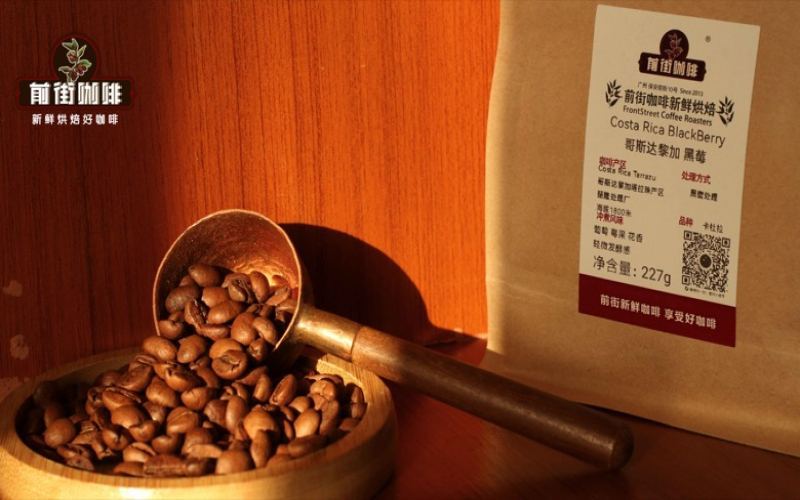
Berry-Flavored Coffee Beans: The Sweet-and-Tart Layers of Strawberry and Blueberry
Berry-flavored coffee beans have a flavor profile best described as "intertwined sweet and sour": the aromas of strawberry, blueberry, and raspberry need an acidic foundation to come across as three-dimensional. Front Street Coffee's Granja Estate Geisha has a strawberry jam aroma paired with sun-dried sweetness, making it a richer expression of berry notes; Colombia's Sidra, by contrast, has a brighter blueberry flavor, and in iced pour-over its berry character [more…]
Analysis of Costa Rica Tarrazú SHB Coffee Beans: Pour-Over Parameters, Regional Characteristics, and Comparison of Honey Processing Methods
Costa Rican coffee is known for its pure sweetness and clear flavors, and Front Street Coffee has long followed the varieties and processing methods of this producing region. This article focuses on Costa Rica's eight major producing regions, the growing environment and grade characteristics of Tarrazú SHB washed beans, sorts out their pour-over brewing parameters, and, through a comparison with the blueberry anaerobic heavy honey processed beans from Hacienda El Roble, explains the differences in flavor expression between washed and honey processing. The article also details the processing flows of white honey, yellow honey, red honey, black honey, and anaerobic techniques, helping coffee enthusiasts more systematically understand the classic style and innovative directions of Costa Rican coffee. [more…]
Which estate does Saint Lion coffee bean come from? A full analysis of the flavor of the Hambela Benti Nenqua micro-lot special processing method
Sacred Lion coffee beans have attracted considerable attention from coffee enthusiasts in recent years. Which estate do these beans actually come from? And what makes them so special? The answer points to Ethiopia's Hambela estate, specifically lot 121 produced by the single farm Benti Nenqua. The estate belongs to METAD, and after Aman Adinew, who once held a key position at a Fortune 500 company, took over the family business, he introduced corporate management and SCAA quality standards, equipping it with a farm, processing plant, and coffee laboratory. Green bean traders named it "Sacred Lion" and specifically noted the SLD single-layer slow drying process to distinguish it from other natural Ethiopian beans. The cupping profile presents tropical fruit, citrus, stone fruit, strawberry jam, and a blueberry finish. This article will provide a complete introduction to this micro-lot's origin background, processing method, and flavor characteristics, while retaining relevant recommendations for the Front Street Coffee brand. [more…]
Colombia Hope Estate Geisha Coffee: A Complete Interpretation from Growing Region Background to Cup Flavor
Colombia is an important producer of specialty coffee worldwide, and Hacienda La Esperanza, as one of the country's top estates, is especially notable for its Geisha variety. This article begins with a recommendation from Front Street Coffee's Huilan, then expands to cover Hacienda La Esperanza's producing region background, cultivation model, and competition honors, before focusing on the specific parameters and flavor performance of this Geisha. You will learn why it uses a light roast and washed processing, as well as the layers of pomelo, honey, blueberry, and toffee it presents from dry aroma through each stage on the palate. The article balances producing-region knowledge with tasting details, making it suitable for coffee lovers who want a deeper understanding of Colombian Geisha. [more…]
Costa Rican Coffee Micro-Lot Guide: A Full Analysis of Terroir Characteristics Across Eight Major Regions and Honey Processing Techniques
Costa Rica is one of the representative origins of specialty coffee in Central America, divided into eight major coffee regions nationwide, each nurturing distinctly styled coffees through its unique terroir. This article, from the perspective of Front Street Coffee's bean selection, systematically reviews Costa Rica's regional distribution and the influence of altitude and climate on flavor, with a focus on comparing two beans: the Tarrazú washed daily drinker and the Giant Stone Estate blueberry anaerobic heavy honey process. It also details the processing differences among white honey, yellow honey, red honey, and black honey, and includes Front Street's standard brewing parameters to help coffee enthusiasts more clearly understand the flavor divide between washed and honey processing in the cup. [more…]
Costa Rica Light Roast Pour-Over Guide: Water Temperature, Grind, and Musician Series Flavor Analysis
Costa Rica is hailed as the sweetest coffee-producing origin in the Americas, and the Front Street Musician Series originates from this very place. This article begins with the honey processing method and guides you through the varieties, altitudes, and processing differences of three beans from Canet Estate—Mozart, Beethoven, and Bach—along with Front Street's complete pour-over parameters: V60 dripper, 91°C water temperature, 1:15 coffee-to-water ratio, 15g dose, and a 2-minute extraction plan. Same estate, different varieties and altitudes—where exactly do the flavors differ? A bean-by-bean comparison of dry and wet aromas, with fermented fruit notes and tea-like qualities each having their own strengths. At the end, we also recommend the Blueberry coffee bean from the Brunca region with anaerobic heavy honey processing, suitable for both hot and iced brewing. [more…]
Front Street Coffee
Costa Rica has always been famous for its sweetness, and the Musician Series on Front Street Coffee's bean list pushes that sweetness to the extreme. This series mostly uses honey processing and has been described by customers as "floral and fruity aromas, sweet as honey." This article will start with the principles of honey processing, outline the background of Canet Estate, introduce one by one the growing regions, varieties, altitudes, processing methods, and flavor differences of the three beans Mozart, Beethoven, and Bach, and include Front Street Coffee's V60 brewing parameters and actual tasting notes. Finally, it will also mention the Blueberry Bean from the Brunca region as a supplementary option. Whether you want to understand the characteristics of Costa Rica's growing regions or want to try the Musician Series for comparison, you will find useful information in this article. [more…]